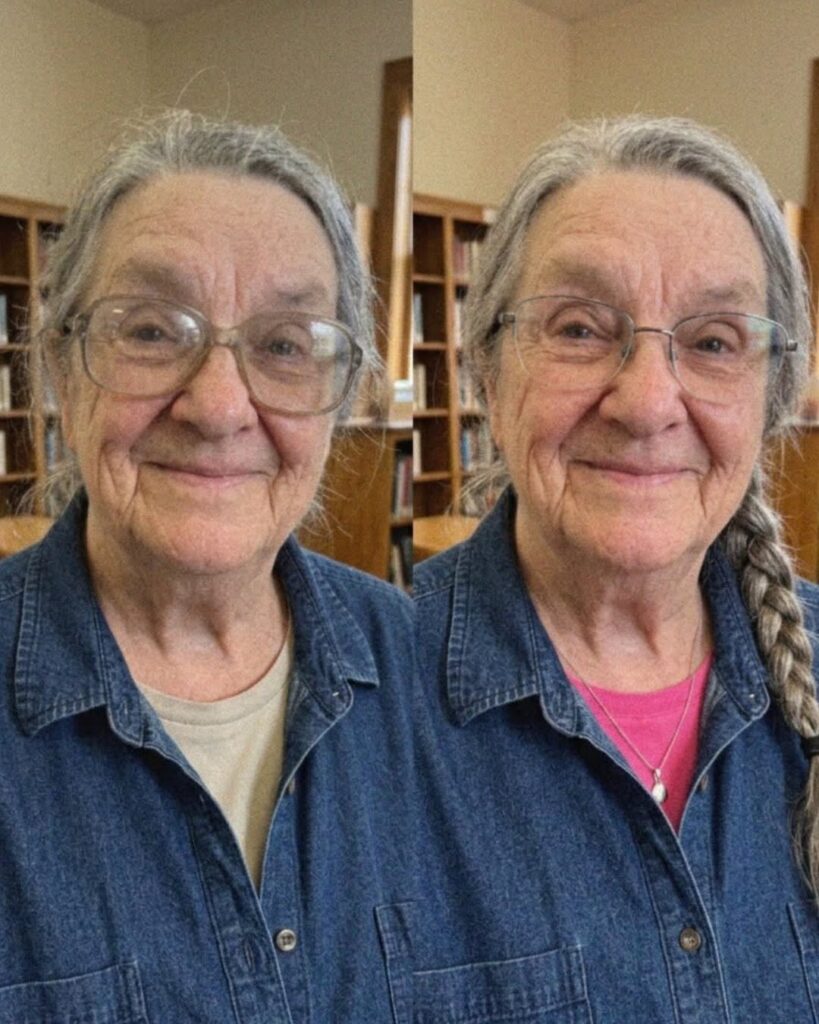
Mrs. Grunwald looked straight at me.
“I don’t need strangers to think better of me.”
Nobody spoke.
I’d wanted strangers to admire Ariel without asking whether Ariel wanted their attention.
Mr. Reed cleared his throat.
“I’ll remove the post. No correction unless Mrs. Grunwald wants one.”
She nodded.
“Thank you.”
Then he looked at me.
“The recognition can still happen without any public story.”
I didn’t answer, not yet.
That evening, I sat beside Ariel on her bed.
“Mr. Reed says the recognition can still happen privately.”
Ariel
shook her head.
“I don’t want it.”
“You didn’t cause this mess.”
“I still don’t want it.”
“Why?”
She thought for a moment.
“I didn’t buy the glasses because I wanted people clapping.”
For illustration purposes only
I looked down.
“When I was your age, I would’ve loved people making a fuss over something good I did.”
She leaned against me.
“So can I say no?”
That was the real question: not whether she deserved recognition, whether I could stop needing it for her.
“Yes.”
She looked up.
“You’re sure?”
“Yes.”
By the next morning, screenshots were still spreading.
I went back to the school and found Mrs. Grunwald.
This time, I didn’t arrive with a solution.
“What do you want?”
“I want people to stop telling my story.”
I nodded.
“And I want Ariel to know I never regretted accepting her help.”
“Then tell her.”
Mrs. Grunwald studied me.
“You’re listening now.”
“I should’ve listened sooner.”
She nodded.
That was all I needed to hear.
Friday’s recognition event had already been planned for several students.
Ariel had simply been added.
Before we left home, I asked her one last time.
“If there are no pictures, no post, nothing public afterward, do you want the recognition?”
“No.”
“Okay.”